2026.03.28 (토) 18:37




 닫기
닫기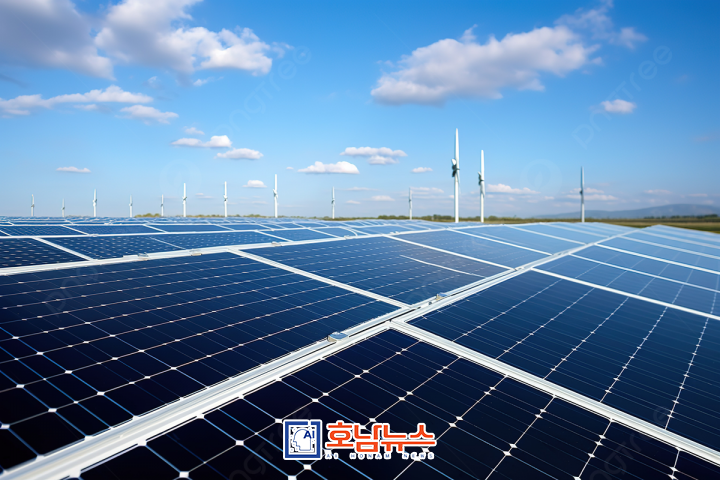 AI에너지 국고사업 / 사진제공=호남뉴스 |
【사설】
전라남도가 2027년 국고 건의 사업으로 총 377건, 4조 3천억 원 규모의 사업을 발굴·점검하며 대전환의 국면에 들어섰다.
이 가운데 신규 국고 건의 사업만 166건에 이른다.
지난 23일 열린 사전보고회는 단순한 예산 목록을 넘어, 인공지능(AI)과 에너지, 사회간접자본(SOC)을 축으로 사업 성과와 리스크를 함께 점검하는 전략 회의였다.
이번 점검은 민선 8기 시군 정책비전 투어와 연계해 진행됐다.
지역별 비전을 국고 사업에 어떻게 담아낼 것인지, 중앙부처를 설득할 논리는 충분한지, 사업 타당성과 실행 가능성은 갖췄는지를 하나하나 따져보는 과정이었다.
선언이 아니라 실행을 전제로 한 예산 설계라는 점에서 의미가 크다.
전남도가 제시한 신규 핵심 사업들은 분명한 방향성을 갖고 있다.
AI 자율운영 조선소 혁신거점 구축, 우주발사체 핵심부품 기술자립 기반 구축, 고전력 반도체 모듈 실증 평가 플랫폼은 제조·우주·반도체를 잇는 첨단 산업 전환을 겨냥한다.
여기에 차세대 전력설비 상호운영 시험센터, 분산에너지 특구형 인공지능 에너지 전환(AX) 자율운영 가상발전소(VPP) 플랫폼, 고효율·고신뢰성 해저전력시스템 개발 실증은 에너지 대전환을 현실로 끌어오는 핵심 인프라다.
해양 분야에서도 방향은 분명하다.
국내 해역 특성을 고려한 소형 해상풍력단지 유지보수 특수선박(SOV) 국산화 개발은 해상풍력의 ‘설치 이후’를 책임지는 산업 기반을 만든다. 이는 조선·기자재 산업을 넘어 해상 에너지 운영·정비(O&M)라는 새로운 시장을 전남에 안착시키는 전략이다.
여수·광양항을 거점으로 한 북극항로 구축 실증사업은 전남을 에너지·물류의 글로벌 전초기지로 확장하는 구상이다.
농수축산업 역시 AI와 결합해 새로운 단계로 나아간다.
AI 첨단 축산업 융복합 밸리 조성, 그린바이오 통합지원 시스템 구축은 1차 산업을 데이터 기반 산업으로 전환하는 시도다. K-김 수출단지 조성과 AI 수산가공 팩토리 구축은 생산–가공–수출 전 과정을 고도화해 지역 농수산업의 부가가치를 구조적으로 끌어올리는 전략이다.
SOC 사업은 이 모든 변화를 연결하는 혈관이다.
호남고속·경전선 연결, 광주–화순 광역철도, 여수–순천 고속도로는 단순한 교통망이 아니다. 산업 거점과 인력을 잇고, 에너지·AI 산업벨트의 효율을 높이는 전략적 연결망이다. SOC가 산업 전략과 분리될 때 효과는 반감된다. 함께 설계될 때 시너지가 난다.
전남도가 밝힌 대로, 이제 마지막 점검의 기준은 분명하다.
이 사업이 지역에서 어떤 성과를 만들 것인가, 그리고 어떤 리스크를 줄일 수 있는가다. 대형 국책사업일수록 실패의 비용은 크다.
그래서 지역 단위 실증, 단계적 확산, 초광역 협력이라는 접근이 중요하다.
AI와 에너지로 대표되는 대전환의 시대, 전남이 ‘대한민국 AI·에너지 수도’라는 방향을 설정했다면 그 비전은 정책과 예산으로 증명돼야 한다.
그리고 그 예산은 도 전역의 현실과 맞닿아야 한다. 시군 정책비전 투어와 국고 사업을 연계하겠다는 약속은 바로 그 출발점이다.
4조 3천억 원은 숫자로 보면 거대하다.
그러나 방향을 잃으면 흩어진다.
전남 전 지역에서 산업·에너지·농수산·SOC가 하나의 전략으로 맞물릴 때, 이 예산은 비로소 미래가 된다.
선언보다 실행, 구호보다 구조다.
지금 전남이 해야 할 선택은 분명하다.
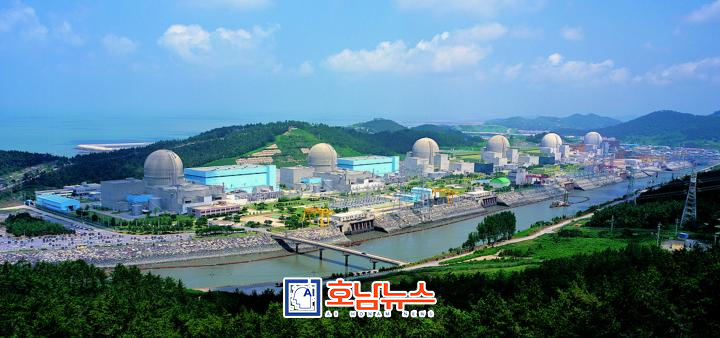 AI에너지 국고사업 / 사진제공=호남뉴스 |
[Jeonnam = Honam News]
aihnnews@kakao.com
[Editorial]
The Direction of KRW 4.3 Trillion Is the Future of All Jeollanam-do
Reviewing the Regional Implementation Strategy of AI and Energy National Projects
Jeollanam-do has entered a phase of major transformation as it identifies and reviews a total of 377 national government budget proposals worth KRW 4.3 trillion for 2027.
Among them, as many as 166 are newly proposed national projects.
The preliminary briefing held on the 23rd went beyond a simple listing of budgets, serving instead as a strategic meeting that jointly examined project performance and risks, with artificial intelligence (AI), energy, and social overhead capital (SOC) as its core pillars.
This review was conducted in conjunction with the 민선 8기 (8th popularly elected administration) city and county policy vision tour.
It was a process of carefully assessing, one by one, how regional visions could be reflected in national projects, whether persuasive logic for central government ministries was sufficient, and whether project feasibility and executability were adequately secured.
Its significance lies in the fact that it was a budget design premised not on declarations, but on execution.
The new key projects proposed by Jeollanam-do show a clear direction.
The establishment of an AI autonomous shipyard innovation hub, the creation of a technological self-reliance base for core space launch vehicle components, and the high-power semiconductor module demonstration and evaluation platform are aimed at transforming advanced industries spanning manufacturing, space, and semiconductors.
In addition, the next-generation power equipment interoperability test center, the distributed energy special-zone AI energy transition (AX) autonomous virtual power plant (VPP) platform, and the demonstration of high-efficiency, high-reliability subsea power systems constitute core infrastructure that brings the energy transition into reality.
The direction in the maritime sector is also clear.
The localization of specialized service operation vessels (SOVs) for maintaining small offshore wind farms tailored to Korean waters builds an industrial foundation responsible for what comes “after installation” in offshore wind power. This strategy goes beyond shipbuilding and equipment manufacturing, anchoring a new offshore energy operation and maintenance (O&M) market in Jeollanam-do.
The Arctic shipping route demonstration project, with Yeosu and Gwangyang ports as hubs, envisions expanding Jeollanam-do into a global forward base for energy and logistics.
Agriculture, fisheries, and livestock industries are also advancing to a new stage through convergence with AI.
The creation of an AI advanced livestock convergence valley and the establishment of an integrated green bio support system represent attempts to transform primary industries into data-driven sectors.
The development of a K-seaweed export complex and the construction of an AI seafood processing factory are strategies to structurally enhance the added value of regional agri-fisheries by upgrading the entire chain from production to processing and export.
SOC projects are the arteries that connect all of these transformations.
The Honam Express Line–Gyeongjeon Line connection, the Gwangju–Hwasun metropolitan railway, and the Yeosu–Suncheon expressway are not merely transportation networks. They are strategic links that connect industrial hubs and human resources, enhancing the efficiency of AI and energy industrial belts. When SOC is separated from industrial strategy, its effectiveness is diminished; when designed together, synergy emerges.
As Jeollanam-do has stated, the final standard of review is now clear:
What outcomes will these projects create locally, and what risks will they reduce?
The larger the national project, the greater the cost of failure. That is why approaches based on regional-level demonstration, phased expansion, and ultra-wide-area cooperation are essential.
In an era of major transformation defined by AI and energy, if Jeollanam-do has set the direction of becoming “Korea’s AI and Energy Capital,” that vision must be proven through policy and budget.
And that budget must align with realities across the entire province. The pledge to link city and county policy vision tours with national budget projects is precisely the starting point.
KRW 4.3 trillion may appear enormous as a number.
But without direction, it will scatter.
Only when industry, energy, agri-fisheries, and SOC across all of Jeollanam-do are aligned into a single strategy does this budget truly become a future.
Execution over declarations, structure over slogans.
The choice Jeollanam-do must make now is clear.
 ai호남뉴스 박충배 편집/칼럼/논설 aihnnewsr@kakao.com