2026.04.13 (월) 04:42




 닫기
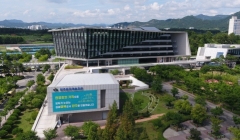
닫기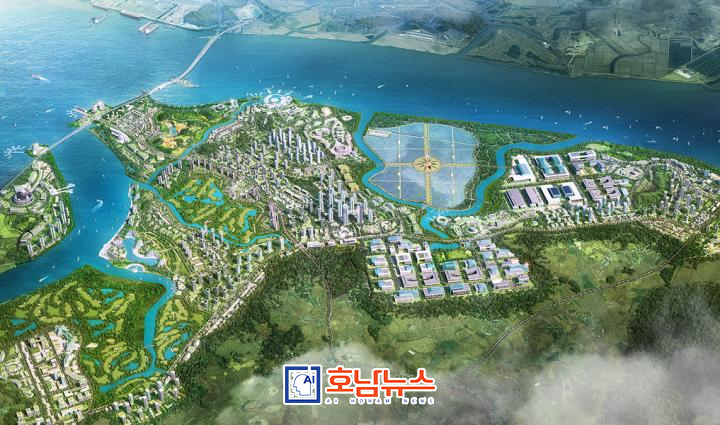 해남군 산이면 솔라시도 조감 / 사진제공=전라남도 |
【칼럼】
4해남 솔라시도가 대한민국 산업지도의 새로운 중심으로 부상하고 있다.
단순한 택지 개발이나 산업단지 조성을 넘어, 국가 AI 경쟁력을 좌우할 핵심 거점으로 자리매김하려는 대전환의 현장이다.
이곳에서 추진되는 1024만 평 규모의 민간 합작 프로젝트는 도시 건설의 차원을 넘어 대한민국의 미래 성장 축을 재편하는 전략적 실험으로 읽힌다.
솔라시도가 주목받는 이유는 명확하다.
초거대 AI 모델을 개발하고 운용하기 위해 필요한 고성능 연산 자원, 안정적인 대규모 전력 공급, 확장 가능한 부지, 산업과 연결되는 실증 환경을 동시에 갖출 수 있는 국내 유일의 플랫폼이기 때문이다.
국가 AI 컴퓨팅센터가 집적될 경우, 이곳은 단순한 데이터센터 단지가 아니라 대한민국 AI 산업의 ‘심장’으로 기능하게 된다.
연산 능력이 곧 국가 경쟁력으로 직결되는 시대에, 솔라시도는 그 기반을 물리적으로 구현하는 공간이다.
특히 의미 있는 지점은 AI가 독립된 산업으로 존재하는 것이 아니라, 호남의 기반 산업과 결합한다는 점이다.
농수산업에는 정밀 데이터 분석과 스마트 생산 시스템이 접목되고, 에너지 산업에는 수요 예측과 효율 최적화 기술이 적용되며, 제조업에는 공정 자동화와 품질 고도화가 더해진다.
솔라시도는 연산 자원이 실제 산업 현장으로 이어지는 실증 도시를 지향한다.
데이터센터에서 생성된 기술이 농지와 양식장, 공장과 에너지 설비로 연결되는 구조다.
이는 산업 고도화의 속도를 획기적으로 끌어올릴 수 있는 기반이 된다.
AI 산업의 또 다른 전제 조건은 막대한 에너지다.
솔라시도는 신재생에너지와 연계한 전력 인프라 구축을 통해 탄소중립 클러스터로의 도약을 구상하고 있다.
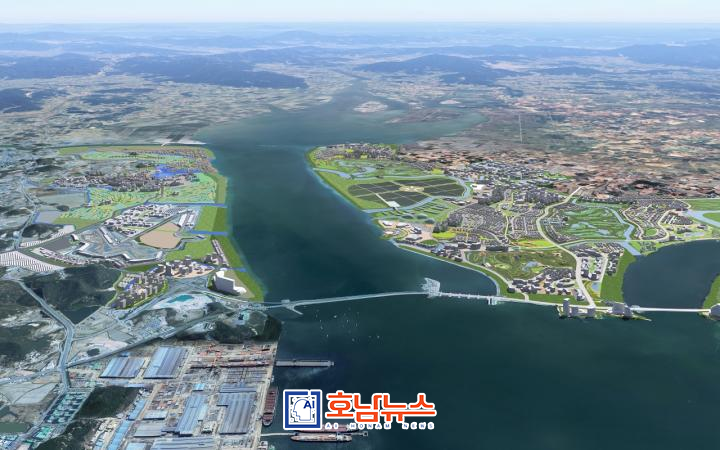 해남군 산이면 솔라시도 조감 / 사진제공=전라남도 |
에너지와 데이터, 산업이 하나의 생태계로 통합되는 구조는 향후 글로벌 기업 유치의 핵심 경쟁력이 될 수 있다.
여기에 주거·교육·연구시설이 결합된 스마트 시티 설계, 정원형 도시 공간, 도심 속 휴식 공간 조성, 삼호지구 63홀 골프장 등 레저 인프라까지 더해지면 산업과 삶이 공존하는 완성형 도시 모델이 구현된다.
교통망 확충 역시 솔라시도의 미래를 결정짓는 요소다.
해남IC와 광역 교통망 개선, 철도 연계 확장은 이 도시를 고립된 개발지가 아닌 전국 산업 네트워크의 중심으로 연결한다.
한국판 아우토반 시대를 열겠다는 비전은 단순한 구호가 아니라, 데이터와 자본, 인재가 빠르게 이동하는 환경을 구축하겠다는 선언이다.
솔라시도가 목표로 하는 300조 원 규모의 투자 유치는 상징적 수치가 아니다.
이는 산업·에너지·주거·연구가 결합된 복합 도시 모델에 대한 기대치이며, 대한민국 비즈니스 지도를 재편하려는 전략적 시도다.
도시 건설을 넘어 국가 경쟁력의 플랫폼을 구축하겠다는 야심이 이 안에 담겨 있다.
해남은 오랫동안 농수산의 중심지로 자리해 왔다. 이제 그 기반 위에 AI와 에너지, 스마트 산업이 더해지려 한다.
기술과 자연, 사람과 산업이 공존하는 미래도시의 표준을 이곳에서 써 내려갈 수 있다면, 솔라시도는 단순한 개발 프로젝트가 아니라 해남의 르네상스가 될 것이다.
그리고 그 출발점은 지금, 이곳에서 시작되고 있다.
4[Jeonnam = AI Honam News] aihnnews@kakao.com
Haenam Solar City: An Industrial Renaissance Powering Korea’s Rise as a Top Four AI Nation
Haenam Solar City is rapidly emerging as a new focal point on South Korea’s industrial map.
It is not merely a housing development or an industrial complex, but a transformative site positioning itself as a strategic hub that could shape the nation’s AI competitiveness.
The 10.24 million-pyeong (approximately 33.9 million square meters) private joint development project underway here represents more than urban construction—it is a strategic experiment aimed at redefining the future growth axis of the Korean economy.
The reasons Solar City is drawing national attention are clear.
To develop and operate ultra-large AI models, a region must secure high-performance computing resources, stable large-scale power supply, expandable land, and an industrially connected real-world test environment. Solar City stands out as the only large-scale urban platform in Korea capable of meeting all of these requirements simultaneously.
If a National AI Computing Center is established here, Solar City would function not simply as a cluster of data centers, but as the “heart” of Korea’s AI industry. In an era where computational power directly translates into national competitiveness, Solar City offers the physical foundation to sustain and expand that power.
What makes this vision particularly significant is that AI is not treated as an isolated industry. Instead, it is designed to integrate with Honam’s foundational industries.
In agriculture and fisheries, precision data analytics and smart production systems can be applied. In the energy sector, AI-driven demand forecasting and efficiency optimization can be implemented. In manufacturing, automation and advanced quality control systems can elevate productivity.
Solar City aspires to become a demonstration city where computational resources are directly linked to real industrial fields. Technologies generated in data centers would connect seamlessly to farms, aquaculture facilities, factories, and energy infrastructure. This structure could dramatically accelerate industrial upgrading across the region.
Another prerequisite for AI industry development is massive energy capacity. Solar City envisions building power infrastructure linked to renewable energy, positioning itself as a carbon-neutral cluster. The integration of energy, data, and industry into a single ecosystem could become a decisive advantage in attracting global corporations.
In addition, the development plan incorporates residential areas, educational institutions, research facilities, smart city design, garden-style urban landscapes, and inner-city leisure spaces. With recreational infrastructure such as the 63-hole golf course in the Samho district, Solar City aims to create a fully realized urban model where industry and quality of life coexist.
Transportation infrastructure will also play a defining role in Solar City’s future. Expansion of connectivity through Haenam IC, improved regional transportation networks, and potential rail linkages will transform the area from an isolated development site into a central node within the national industrial network. The vision of a “Korean Autobahn era” is not merely symbolic—it reflects a commitment to enabling the rapid movement of data, capital, and talent.
The projected 300 trillion won in potential investment is more than a symbolic figure. It represents expectations for a comprehensive urban model that integrates industry, energy, housing, and research. It signals an ambitious attempt to reshape Korea’s business geography and establish a platform that strengthens national competitiveness.
Haenam has long stood as a center of agriculture and fisheries. Now, AI, renewable energy, and smart industries are poised to build upon that foundation. If Solar City succeeds in writing a new standard for a future city where technology, nature, people, and industry coexist, it will not merely be a development project—it will mark a renaissance for Haenam.
And that transformation begins here, now.
 ai호남뉴스 박충배 편집/칼럼/논설 aihnnewsr@kakao.com