| 문화는 오는데, 농정은 왜 남는가. 전남광주특별시는 ‘이벤트 도시’가 아니라 국가 전략의 수도여야 한다. ai호남뉴스 박충배 편집/칼럼/논설 aihnnewsr@kakao.com |
| 2026년 01월 29일(목) 12:05 |
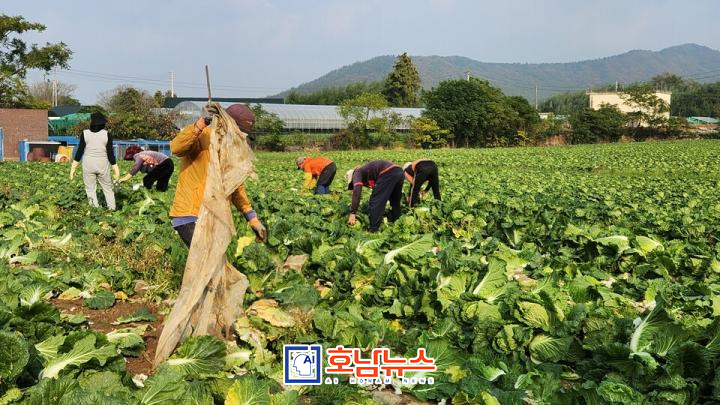 전남도 시골 풍경 / 사진제공=호남뉴스 |
【사설】
전남광주통합특별법의 국회 발의를 앞두고, 공공기관 이전을 두 배로 확대하겠다는 구상이 제시됐다.
문화체육관광부, 농협중앙회, 주요 공공기관의 전남광주특별시 이전이 거론되며, 전남·광주는 스스로를 ‘문화·농업 중심지’, ‘남부권 수도’로 규정하고 있다.
겉으로 보자면 방향은 그럴듯하다.
그러나 한 걸음만 더 들어가 보면, 이 구상에는 결정적인 불균형이 있다.
문화는 내려오는데, 농업의 정책은 여전히 서울에 남아 있다는 점이다.
전남은 대한민국 최대의 농업·축산 생산지다. 쌀과 채소, 과수와 축산, 수산과 김치, 그리고 남도 음식으로 대표되는 식문화까지, 전남은 1차 산업과 음식·생활 문화가 분리되지 않은 거의 유일한 지역이다.
광주는 이 생산 기반 위에서 문화·관광·소비가 결합되는 거점 도시다.
전남이 생산하고, 광주가 문화로 확장하는 구조.
이 구조는 이미 현실이다.
문제는 국가가 이를 어떤 기능으로 인정하느냐다.
문화체육관광부 이전 논의는 이 점에서 의미가 있다.
문화는 더 이상 수도권의 전유물이 아니라, 지역의 삶과 산업에서 만들어져야 한다는 문제의식이 반영돼 있기 때문이다.
전남광주가 가진 남도 문화, 음식 문화, 농촌 관광 자산은 문체부 이전의 명분으로 충분하다.
그러나 여기서 질문이 생긴다.
문화가 내려온다면, 그 문화를 떠받치는 농업 정책은 왜 내려오지 않는가.
농업과 문화는 분리된 영역이 아니다.
전남의 문화는 농업에서 출발했고, 음식은 농업의 결과물이며, 관광은 농촌의 풍경과 삶 위에서 형성된다.
그럼에도 문체부는 이전 대상이 되고, 농림축산식품부는 논의조차 중심에 서지 못한다면, 전남광주특별시는 문화만 소비하고 농업은 여전히 주변부로 남게 된다.
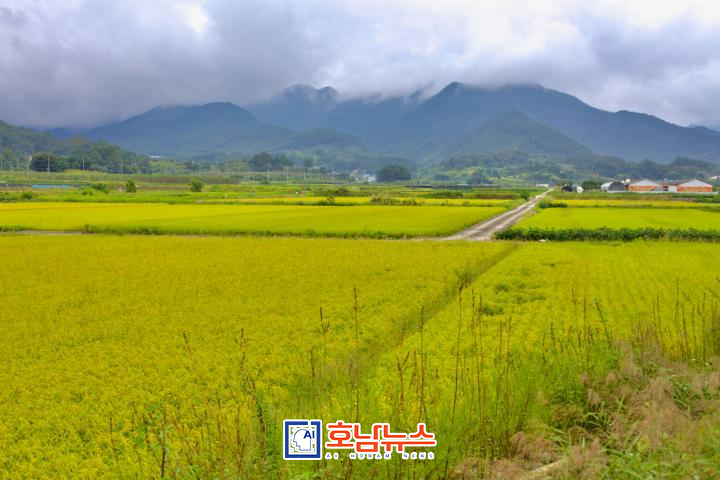 전남 농업·농촌 / 사진제공=호남뉴스 |
이 지점에서 농협중앙회 이전 논의가 등장한다.
농협은 금융과 유통을 통해 농업 현장과 가장 밀접하게 연결된 조직이다.
농협이 전남으로 오면 농업 금융 접근성이 높아지고, 유통과 가공 산업이 확장되는 효과는 분명하다. 체감도 또한 높을 것이다.
하지만 농협은 정책 기관이 아니다.
농협은 실행 주체이지, 결정 주체가 아니다.
농협이 이전해도 농업 예산의 구조는 바뀌지 않고, 농정의 방향은 여전히 서울에서 결정된다.
농협 이전은 현장을 돕는 선택이지, 구조를 바꾸는 선택은 아니다.
반대로 농림축산식품부는 다르다.
농식품부는 대한민국 농업·축산·식품 정책의 설계자다.
식량안보, 기후위기 대응, 농촌 소멸, 축산 환경 문제, 식품 산업과 외식 산업 육성까지 국가 농정의 모든 축이 이 부처에서 출발한다.
농림축산식품부가 전남광주특별시로 이전한다는 것은, 농업 정책의 중심이 수도권에서 생산지로 이동한다는 뜻이다.
농업을 직접 짓지 않는 곳에서 농업을 설계하던 구조를 끝내고, 농업과 농촌, 축산과 식품 산업의 현실 위에서 정책이 만들어지는 구조로 전환하는 것이다.
이 변화는 문화 정책과도 맞물린다.
문체부와 농식품부가 함께 이전한다면, 남도 음식은 단순한 지역 특산물이 아니라 국가 문화 정책의 핵심 자산이 된다.
농촌은 보조금 대상이 아니라 관광·체험·생활 문화 공간으로 재정의된다. 축제는 이벤트가 아니라 농업과 문화, 소비가 결합된 산업으로 전환된다.
이때 전남광주특별시는 ‘행사 많은 도시’가 아니라, 삶과 산업, 정책이 결합된 국가 전략의 공간이 된다.
이것이야말로 남부권 수도라는 말에 어울리는 실체다.
수도란 건물이 많은 곳이 아니다.
수도란 예산과 제도, 방향이 결정되는 곳이다.
문화만 내려오고, 농정은 남는 구조라면 전남광주는 소비의 무대에 머문다. 문화와 농업이 함께 내려올 때에만, 전남광주는 생산과 정책의 중심으로 올라선다.
전남광주특별시에 필요한 것은 농협중앙회 이전이 아니라, 문화체육관광부와 농림축산식품부의 병행 이전이다.
그래야 이 지역은 ‘농업이 있는 문화도시’가 아니라, 대한민국 농업과 문화의 방향을 동시에 결정하는 수도가 될 수 있다.
[Jeonnam = Honam News] aihnnews@kakao.com
Editorial
Culture Is Coming—So Why Is Agricultural Policy Staying Behind?
The Jeonnam–Gwangju Special Metropolitan City Must Be a National Strategic Capital, Not an Event City
As the bill for the Jeonnam–Gwangju Special Metropolitan City approaches submission to the National Assembly, a plan has been unveiled to double the scale of public institutions to be relocated. The possible relocation of the Ministry of Culture, Sports and Tourism, the National Agricultural Cooperative Federation (NongHyup), and other major public bodies has been discussed, with Jeonnam and Gwangju presenting themselves as a “center of culture and agriculture” and a “capital of the southern region.”
At first glance, the direction appears reasonable.
Yet a closer look reveals a decisive imbalance.
Culture is moving south—but agricultural policymaking remains firmly in Seoul.
Jeonnam is Korea’s largest agricultural and livestock-producing region. Rice and vegetables, fruit and livestock, fisheries and kimchi, and the food culture symbolized by Namdo cuisine—Jeonnam is one of the very few regions where primary industry and food-centered daily culture remain inseparably connected. Gwangju functions as the hub where this production base is transformed into culture, tourism, and consumption.
Jeonnam produces; Gwangju expands it into culture.
This structure is already a reality.
The real question is how the state chooses to recognize this reality in functional terms.
In this regard, the discussion over relocating the Ministry of Culture, Sports and Tourism carries meaning. It reflects a growing recognition that culture should no longer be the exclusive domain of the metropolitan capital area, but something created within the everyday lives and industries of regions themselves. With its Namdo cultural heritage, food traditions, and rural tourism assets, the Jeonnam–Gwangju region possesses sufficient justification for hosting the ministry.
But this inevitably raises a question.
If culture is to be relocated, why not the agricultural policies that sustain that culture?
Agriculture and culture are not separate realms. Jeonnam’s culture begins with agriculture; food is the product of agriculture; tourism is shaped by rural landscapes and ways of life. If the Ministry of Culture becomes a relocation target while the Ministry of Agriculture, Food and Rural Affairs fails even to enter the center of discussion, the Jeonnam–Gwangju Special Metropolitan City risks becoming a place that consumes culture while leaving agriculture permanently on the periphery.
It is at this point that the relocation of the National Agricultural Cooperative Federation enters the conversation. NongHyup is the organization most closely connected to the agricultural field through finance and distribution. Its relocation to Jeonnam would undoubtedly improve access to agricultural finance and expand distribution and processing industries—benefits that farmers would tangibly feel.
Yet NongHyup is not a policymaking institution.
It is an executor, not a decision-maker.
Even if NongHyup relocates, the structure of agricultural budgets will remain unchanged, and the direction of agricultural policy will continue to be determined in Seoul. Relocating NongHyup may support the field, but it does not transform the system.
The Ministry of Agriculture, Food and Rural Affairs is fundamentally different. It is the architect of Korea’s agricultural, livestock, and food policies. From food security and climate crisis response to rural depopulation, environmental challenges in livestock farming, and the development of food and dining industries, every pillar of national agricultural policy originates in this ministry.
Relocating the ministry to the Jeonnam–Gwangju Special Metropolitan City would signify a shift in the center of agricultural policymaking—from the capital region to the production sites themselves. It would bring an end to a system in which agriculture is designed by those who do not farm, replacing it with one where policies are crafted on the basis of real conditions in agriculture, rural communities, livestock farming, and the food industry.
This shift would also align organically with cultural policy. If both the Ministry of Culture and the Ministry of Agriculture relocate together, Namdo cuisine would be elevated from a regional specialty to a core national cultural asset. Rural areas would be redefined not as recipients of subsidies, but as spaces of tourism, experience, and living culture. Festivals would evolve from one-off events into industries integrating agriculture, culture, and consumption.
At that point, the Jeonnam–Gwangju Special Metropolitan City would no longer be merely a city of frequent events. It would become a national strategic space where life, industry, and policy converge—an embodiment of what it truly means to be a “southern capital.”
A capital is not defined by the number of buildings it contains.
A capital is where budgets, institutions, and national direction are decided.
If culture alone moves south while agricultural policy remains behind, Jeonnam–Gwangju will be confined to the role of a consumption stage. Only when culture and agriculture relocate together can the region rise as a center of production and policymaking.
What the Jeonnam–Gwangju Special Metropolitan City truly needs is not the relocation of NongHyup, but the joint relocation of the Ministry of Culture, Sports and Tourism and the Ministry of Agriculture, Food and Rural Affairs. Only then can the region move beyond being a “cultural city with agriculture” and become a capital that determines the future direction of both Korea’s agriculture and its culture.
 ai호남뉴스 박충배 편집/칼럼/논설 aihnnewsr@kakao.com