| “광산이 바뀌면 호남이 뛴다”… 민형배, 산업·교통·공존 ‘5대 대전환’ 전격 선언
광주송정역 광역허브·미래산업·이주민 공존까지… “광산을 서남권 핵심 성장엔진으로 재편” ai호남뉴스 박충배 편집/칼럼/논설 aihnnewsr@kakao.com |
| 2026년 04월 10일(금) 13:15 |
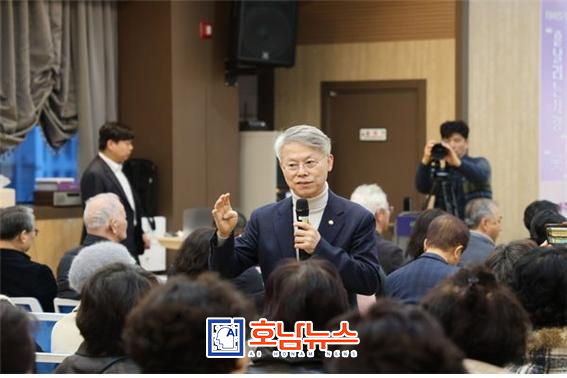 민형배 전남광주통합특별시장 예비후보 시민과의 소통 / 사진제공=민형배 선대위 |
광주 광산구가 산업과 교통, 그리고 공존이 결합된 ‘대한민국형 미래도시’로의 대전환을 선언했다.
더불어민주당 전남·광주 통합특별시장 경선 후보인 민형배 국회의원은 광산구를 “산업은 성장하고, 도시는 연결되며, 시민은 함께 살아가는 도시”로 재편하기 위한 ‘산업·교통·공존도시 5대 전략’을 전격 발표했다.
이번 전략은 단순한 지역 공약을 넘어, 교통·산업·노동·문화·생태를 하나로 연결하는 ‘완결형 도시 혁신 모델’이라는 점에서 주목된다.
특히 광주송정역을 중심으로 한 광역교통망 구축과 미래산업 재편, 이주민 공존 정책까지 포함되며 광산구의 구조적 변화를 예고하고 있다.
■ “호남이 연결된다.”… 광주송정역 광역교통 허브 구축
민 후보는 광산구를 호남권 교통의 중심으로 재편하기 위해 광주송정역을 축으로 한 광역교통망 구축을 핵심 전략으로 제시했다.
호남 광역철도망 구축을 단계적으로 추진하고, 서해안선(새만금~광주송정) 일반철도 사업을 본격화해 서남권 교통 접근성을 획기적으로 개선하겠다는 구상이다.
또한 광주역과 광주송정역을 잇는 도심철도 지하화 추진과 함께, 고속열차 증편 및 환승체계 개선을 통해 ‘연결되는 도시’의 기반을 완성하겠다는 계획이다.
■ “광산이 경제 중심으로”… 송정역세권 복합도시 조성
광주송정역 일대를 경제·문화가 결합된 복합 허브로 육성하는 전략도 포함됐다.
민 후보는 송정역세권을 중심으로 KTX 투자선도지구를 확대하고 복합개발을 추진해, 광산구를 서남권 경제 중심지로 도약시키겠다고 밝혔다.
특히 금호타이어 광주공장 이전 부지를 미래산업 중심지로 개발하고, 도시철도 2호선과의 연계를 강화해 교통과 산업이 결합된 입체적 도시 구조를 구축하겠다는 구상이다.
■ “일자리는 산업에서”… 미래산업·산단 혁신 본격화
광산구 산업 구조를 첨단 중심으로 전환하는 전략도 핵심 축으로 제시됐다.
첨단·하남산단을 소부장(소재·부품·장비) 스타트업 허브로 육성하고, 미래차 국가산단을 AI 기반으로 고도화해 산업 경쟁력을 끌어올린다는 계획이다.
또한 반도체와 모빌리티 관련 기업 유치를 통해 양질의 일자리를 창출하고, 산업단지 노동자의 정주환경 개선과 생활 인프라 확충도 병행 추진한다.
■ “함께 살아야 도시다”… 공존도시·노동권 강화
민 후보는 광산구를 ‘다양성이 공존하는 도시’로 전환하기 위한 정책도 강조했다.
다문화·이주민 통합지원센터를 확대하고, 언어·법률·취업을 아우르는 원스톱 지원체계를 구축해 사회통합 기반을 강화하겠다는 구상이다.
특히 이주노동자를 포함한 산업단지 노동자의 권익 보호를 강화하고, 노동법 교육과 임금체불 대응 시스템을 구축해 ‘노동이 존중받는 도시’를 만들겠다고 밝혔다.
■ “삶의 질이 도시 경쟁력”… 생태·문화·생활도시 조성
광산구의 역사와 자연을 시민 삶과 연결하는 생활환경 혁신 전략도 포함됐다.
마한 역사문화권을 기반으로 한 관광도시 조성과 함께, 황룡강·영산강 수변 생태공원 조성을 통해 친환경 도시 공간을 확대할 계획이다.
풍영정천과 장수천 생태하천 복원, 김치 관광 자원화 및 광주김치촌 조성, 자전거 특화마을 확대 등을 통해 문화와 생활이 결합된 도시로 재편한다는 구상이다.
■ “광산은 시작일 뿐”… 통합특별시 전략과 직결
민형배 후보는 “광산구의 변화는 단순한 지역 발전이 아니라 전남·광주 통합특별시의 핵심 축이 되는 과정”이라며 “산업과 교통, 그리고 공존이 결합된 모델을 통해 대한민국 도시의 새로운 표준을 만들겠다”고 강조했다.
이어 “광산이 바뀌면 호남이 바뀌고, 호남이 바뀌면 대한민국의 미래가 바뀐다.”며 “시민이 체감하는 변화로 반드시 증명하겠다.”고 밝혔다.
이번 전략은 광산구를 단순한 배후 주거지역에서 벗어나, 교통·산업·문화·공존이 결합된 ‘서남권 핵심 성장 거점’으로 재편하는 데 초점이 맞춰져 있다.
【Jeonnam·Gwangju = AI Honam News】 aihnnews@kakao.com
“When Gwangsan Changes, Honam Accelerates”… Min Hyung-bae Unveils ‘Five Major Transformations’ in Industry, Transport, and Coexistence
Subheadline: From Gwangju Songjeong Station mega-hub to future industries and migrant inclusion… “Rebuilding Gwangsan as the core growth engine of Southwest Korea”
Gwangsan District in Gwangju has declared a major transition toward a “Korean-style future city” where industry, transportation, and social coexistence converge.
Min Hyung-bae, a candidate in the Democratic Party primary for the integrated Jeonnam–Gwangju metropolitan city, announced a comprehensive “Five Strategic Transformations for an Industry–Transport–Coexistence City.” He aims to reshape Gwangsan into a place “where industries grow, cities connect, and citizens live together.”
The strategy goes beyond a typical regional pledge. It integrates transportation, industry, labor, culture, and ecology into a “complete urban innovation model.” Centered on Gwangju Songjeong Station, the plan signals structural transformation through expanded regional transportation networks, industrial restructuring, and inclusive migrant policies.
■ “Connecting Honam”… Building a Gwangju Songjeong Mega Transport Hub
Min proposed establishing Gwangsan as the transportation hub of the Honam region, centered on Gwangju Songjeong Station.
The plan includes phased construction of a regional rail network across Honam and the advancement of the West Coast railway line (Saemangeum–Gwangju Songjeong) to dramatically improve accessibility across the southwest region.
It also calls for the undergrounding of urban rail linking Gwangju Station and Songjeong Station, along with increased high-speed train services and improved transfer systems to complete a truly “connected city.”
■ “From District to Economic Core”… Developing the Songjeong Station Area
Another key pillar is transforming the Songjeong Station area into a combined economic and cultural hub.
Min plans to expand the KTX investment-leading district and promote large-scale mixed-use development, positioning Gwangsan as the economic center of Southwest Korea.
The redevelopment of the former Kumho Tire Gwangju plant into a future-industry hub is also included, alongside strengthened connectivity with Subway Line 2 to build an integrated urban structure combining transportation and industry.
■ “Jobs Come from Industry”… Advancing Future Industries and Industrial Complexes
The strategy also focuses on upgrading Gwangsan’s industrial structure toward advanced industries.
The 첨단 (Cheomdan) and Hanam industrial complexes will be developed into hubs for materials, parts, and equipment (MPE) startups, while the future mobility national industrial complex will be upgraded with AI-based systems.
In addition, the plan seeks to attract semiconductor and mobility-related companies, create high-quality jobs, and improve living conditions and infrastructure for industrial workers.
■ “A City Exists Through Coexistence”… Strengthening Inclusion and Labor Rights
Min emphasized transforming Gwangsan into a city where diversity coexists.
He proposed expanding multicultural and migrant integration support centers and establishing one-stop services for language, legal aid, and employment.
The plan also strengthens labor rights protections, including for migrant workers, while introducing labor law education and wage protection systems to ensure a “city where labor is respected.”
■ “Quality of Life is Competitiveness”… Building an Ecological, Cultural, and Livable City
Efforts to connect Gwangsan’s history and natural environment to everyday life are also part of the strategy.
Plans include developing a tourism city based on the Mahan historical and cultural region, as well as creating ecological waterfront parks along the Hwangryong and Yeongsan rivers.
Additional initiatives involve restoring ecological streams such as Pungyeongjeongcheon and Jangsucheon, promoting kimchi tourism through a “Gwangju Kimchi Village,” and expanding bicycle-friendly model communities.
■ “Gwangsan is Only the Beginning”… Directly Linked to the Integrated Metropolitan Vision
Min stated, “The transformation of Gwangsan is not just local development—it is a core axis of the integrated Jeonnam–Gwangju metropolitan city,” emphasizing a new national model combining industry, transport, and coexistence.
He added, “When Gwangsan changes, Honam changes—and when Honam changes, the future of Korea changes,” pledging to deliver tangible results that citizens can feel.
The strategy ultimately aims to transform Gwangsan from a peripheral residential area into a key growth hub in Southwest Korea, integrating transportation, industry, culture, and coexistence.
 ai호남뉴스 박충배 편집/칼럼/논설 aihnnewsr@kakao.com