2026.04.18 (토) 00:42




 닫기
닫기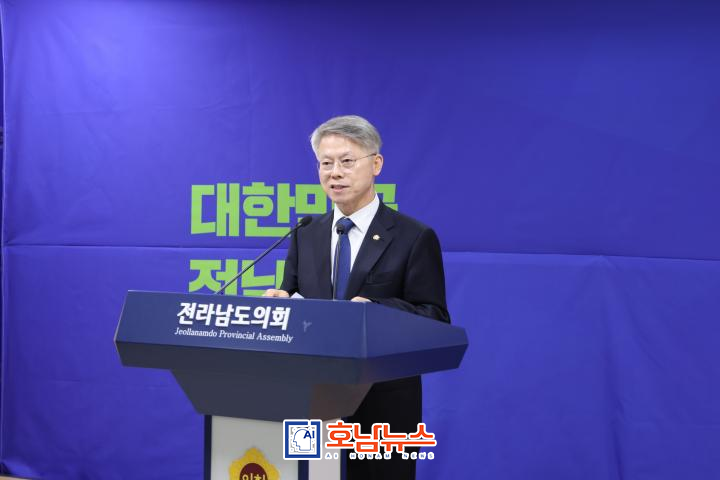 민형배 전남광주특별시장 후보 / 사진제공=민형배 선대위 |
“메가특구는 준비된 곳으로”… 민형배, 재생에너지·AI 자율주행차 전남광주 유치 촉구
광주 기술·전남 인프라 결합… “행정통합은 산업 완결 위한 필연”
더불어민주당 전남·광주통합특별시장 후보인 민형배 의원(광주 광산구을)이 정부의 ‘4대 메가특구’ 구상에 대해 환영 입장을 밝히며, 재생에너지와 인공지능(AI) 자율주행차 특구의 전남·광주 유치를 강하게 촉구했다.
민 후보는 17일 발표한 메시지를 통해 이재명 정부가 추진하는 규제 혁신 정책을 “기술 패권 시대에 대한민국 성장판을 다시 여는 핵심 전략”으로 평가했다. 특히 4대 메가특구 가운데 ‘재생에너지’와 ‘AI 자율주행차’를 지목하며 “이는 전남·광주 통합 구상의 핵심 축이자, 미래 산업 전략의 출발점”이라고 강조했다.
■ “에너지와 AI 결합… 전남광주가 유일한 완결형 모델”
민 후보는 전남·광주가 갖춘 산업적 조건을 ‘압도적 시너지’로 규정했다.
광주는 도시 전역을 자율주행 실증 무대로 확장하며 기술 기반을 구축하고 있고, 전남은 전국 최대 수준의 태양광·풍력 잠재력을 기반으로 RE100 산업단지와 전력 인프라를 동시에 확보하고 있다는 점을 핵심 근거로 제시했다.
그는 “AI 산업은 결국 전력 산업과 결합될 수밖에 없다”며 “에너지 생산과 데이터·기술이 하나로 연결되는 구조를 갖춘 전남·광주야말로 ‘AI 인프라 완결형 도시’를 구현할 유일한 지역”이라고 밝혔다.
■ “지역이기주의 아닌 국가 효율… 가장 준비된 곳에 집중해야”
이번 제안이 단순한 지역 유치 경쟁이 아니라 국가 전략 차원의 판단이라는 점도 분명히 했다.
민 후보는 “메가특구는 정치적 배분이 아니라 성과 중심으로 설계되어야 한다.”며 “가장 준비된 지역에 국가 역량을 집중해야 산업과 일자리로 바로 이어지는 성과를 만들 수 있다”고 강조했다.
이어 “전남·광주에 재생에너지와 AI 자율주행차 특구를 결합 배치할 경우, 기업 투자 → 산업 성장 → 일자리 창출로 이어지는 ‘성장의 선순환 구조’가 가장 빠르게 작동할 것”이라고 덧붙였다.
■ “전남광주, 이미 설계 끝났다… 성공 모델로 증명할 것”
민 후보는 전남·광주가 단순한 가능성 수준을 넘어 ‘실행 준비가 완료된 지역’임을 강조하며 강한 자신감을 드러냈다.
그는 “전남·광주는 누구보다 선명하게 미래를 설계했고, 누구보다 절실하며, 누구보다 준비가 되어 있다”며 “메가특구를 통해 대한민국 미래 산업의 압도적 성공 모델을 반드시 만들어내겠다”고 밝혔다.
이번 발언은 전남·광주 통합특별시 논의와 맞물려, 지역 산업 전략을 국가 정책과 직접 연결하려는 구체적 메시지로 해석되며 향후 정책 논쟁의 핵심 쟁점으로 부상할 전망이다.
【Jeonnam·Gwangju = AI Honam News】 aihnnews@kakao.com
“Mega Special Zones Must Go Where Preparation Is Complete”… Min Hyung-bae Calls for Renewable Energy and AI Autonomous Vehicle Hub in Jeonnam–Gwangju
Combining Gwangju’s technology and Jeonnam’s infrastructure… “Administrative integration is essential for industrial completion”
Min Hyung-bae, a Democratic Party candidate for Mayor of the proposed Jeonnam–Gwangju Integrated Special City (Gwangju Gwangsan-eul lawmaker), welcomed the government’s “Four Mega Special Zones” initiative and strongly called for Jeonnam–Gwangju to host the renewable energy and AI autonomous vehicle zones.
In a statement released on the 17th, he evaluated the regulatory innovation policies 추진 by the Lee Jae-myung administration as “a key strategy to reopen Korea’s growth trajectory in the era of technological hegemony.”
He specifically highlighted renewable energy and AI autonomous vehicles among the four sectors, stating, “These are the core pillars of the Jeonnam–Gwangju integration vision and the starting point of our future industrial strategy.”
■ “Energy and AI Convergence… Jeonnam–Gwangju as the Only Complete Model”
Min described the industrial conditions of Jeonnam–Gwangju as an “overwhelming synergy.”
He pointed out that Gwangju is expanding citywide autonomous driving testbeds, while Jeonnam possesses the nation’s largest solar and wind power potential, along with readiness to develop RE100 industrial complexes and power infrastructure.
“AI industries inevitably converge with the energy sector,” he said. “Jeonnam–Gwangju, where energy production, data, and technology are structurally integrated, is the only region capable of realizing a ‘fully integrated AI infrastructure city.’”
■ “Not Regional Self-Interest but National Efficiency… Focus Where Prepared”
He emphasized that the proposal is not regional favoritism but a matter of national strategy.
“Mega special zones must be designed based on performance, not political distribution,” Min said. “Concentrating national capacity in the most prepared regions is the fastest way to translate investment into industry and jobs.”
He added that if renewable energy and AI autonomous vehicle zones are jointly located in Jeonnam–Gwangju, it would create the fastest “virtuous cycle of growth,” linking corporate investment to industrial expansion and job creation.
■ “Jeonnam–Gwangju Already Designed… Will Prove It as a Success Model”
Min expressed strong confidence, stressing that Jeonnam–Gwangju has moved beyond potential and is fully prepared for execution.
“We have the clearest vision, the strongest urgency, and the best preparation,” he said. “I will personally lead the effort to prove Jeonnam–Gwangju as an overwhelming success model for Korea’s future industries.”
His remarks are expected to become a key point of policy debate, as they directly connect regional industrial strategy with national policy amid ongoing discussions on the Jeonnam–Gwangju integrated special city.
 ai호남뉴스 박충배 편집/칼럼/논설 aihnnewsr@kakao.com