2026.04.29 (수) 13:12




 닫기
닫기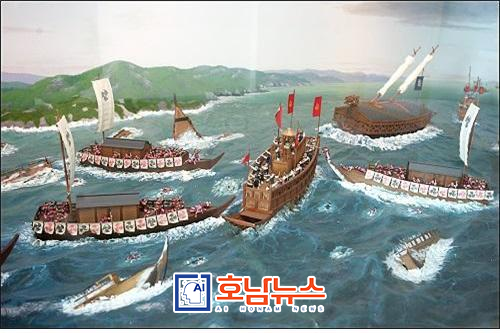 이순신 장군의 명량대첩지 / 사진제공=chat gpt |
【전남·광주=AI호남뉴스】 aihnnews@kakao.com
충무공 이순신 장군이 태어난 지 481년.
1545년 4월 28일, 한 인간의 탄생은 훗날 나라의 존망을 가른 역사의 전환점이 되었다.
그러나 우리는 지금, 그 이름을 ‘기념’하고 있는가, 아니면 ‘소비’하고 있는가.
이순신은 단순한 장군이 아니었다.
그는 절망 속에서도 나라를 포기하지 않았던 마지막 보루였고, 백성이 곧 국가라는 사실을 몸으로 증명한 지도자였다.
특히 1597년, 단 12척의 배로 133척의 왜군을 물리친 명량대첩은 단순한 승리를 넘어 ‘국가란 무엇인가’에 대한 답이었다.
그 전장이 바로 오늘의 해남과 진도를 가르는 울돌목이다.
해남군민의 입장에서 이 명량의 바다는 단순한 관광지가 아니다.
이곳은 바다가 아니라 ‘결단의 현장’이며, 물살이 아니라 ‘역사의 증언’이다.
울돌목의 물은 하루에도 몇 차례 방향을 바꾼다.
그러나 이순신의 선택은 단 한 번도 흔들리지 않았다.
그는 “신에게는 아직 12척의 배가 남아 있사옵니다.”라고 했다.
그 말은 단순한 보고가 아니라, 포기하지 않겠다는 선언이었고, 나라를 살리겠다는 마지막 약속이었다.
오늘을 사는 우리는 과연 무엇을 남기고 있는가.
해남은 지금 ‘기억의 땅’ 위에 서 있다.
그러나 기억은 보존하지 않으면 사라지고, 계승하지 않으면 왜곡된다.
명량대첩은 교과서 속 한 줄로 끝날 역사가 아니다.
이곳은 대한민국 해양주권의 상징이자, 위기 속에서 국민이 어떻게 하나로 뭉쳐야 하는지를 보여주는 살아있는 교과서다.
그럼에도 불구하고 우리는 이 역사를 충분히 지키고 있는가.
명량의 현장은 여전히 분절돼 있고, 해남과 진도의 역사적 역할은 통합적으로 조명되지 못하고 있다.
울돌목은 세계적인 해전 유적지로서의 잠재력을 지니고 있음에도, 국가적 상징 공간으로서의 위상은 아직 부족하다.
해남군민의 간절한 바람은 분명하다.
첫째, 명량대첩을 단순한 지역 축제가 아닌 ‘국가 기념사업’으로 격상해야 한다.
둘째, 울돌목 일대를 세계적 역사교육·체험 공간으로 조성해 후손들이 직접 보고 느끼는 살아있는 역사로 만들어야 한다.
셋째, 이순신 정신을 오늘의 안보·경제·공동체 가치로 확장하는 ‘현대적 계승’이 필요하다.
이순신은 과거의 인물이 아니다.
그는 위기의 시대마다 다시 호출되는 ‘현재의 리더십’이다.
지금 대한민국은 또 다른 형태의 위기를 지나고 있다.
경제, 안보, 사회 갈등 속에서 우리는 방향을 잃고 흔들리고 있다.
이럴 때일수록 명량을 떠올려야 한다.
수적 열세 속에서도 포기하지 않았던 결단, 그리고 국민을 믿었던 리더의 용기를 해남의 바다는 말하고 있다.
“기억하라, 그리고 지켜내라”고.
충무공 탄신 481주년.
이제는 기념을 넘어 행동으로 답해야 할 시간이다.
명량의 물살은 여전히 흐르고 있다.
그 흐름을 이어갈 것인가, 끊어버릴 것인가는 오늘을 사는 우리의 선택에 달려 있다.
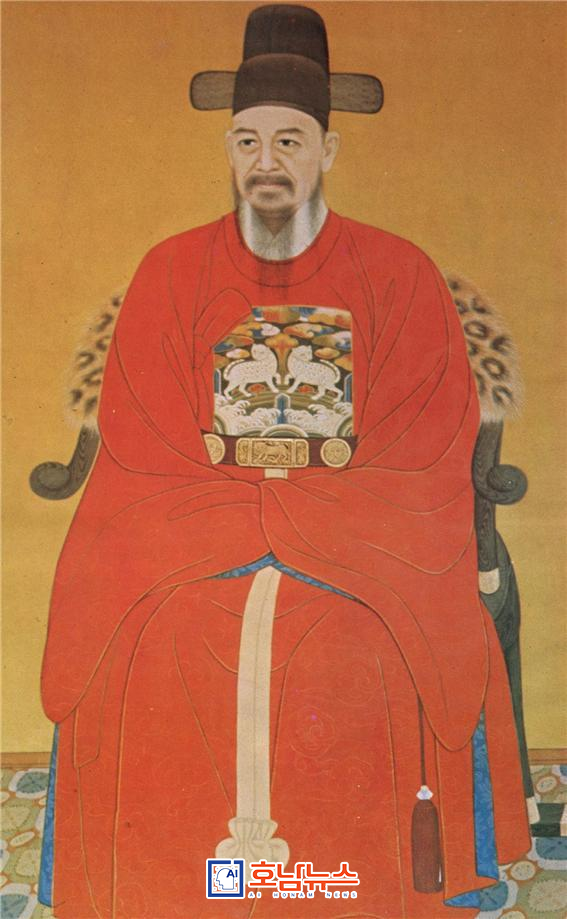 충무공 이순신 장군 진영 / 사진제공=chat gpt |
[Column]
[Jeonnam·Gwangju = AI Honam News] aihnnews@kakao.com
“The Moment We Forget the Sea of Myeongnyang, We Lose Our Nation”
Marking the 481st Anniversary of Admiral Yi Sun-sin’s Birth… The Essence of Patriotism Revisited at Uldolmok, Haenam
It has been 481 years since the birth of Admiral Yi Sun-sin.
April 28, 1545—one man’s birth would later become a turning point that determined the fate of a nation.
But today, are we truly commemorating his name, or merely consuming it?
Yi Sun-sin was not just a military commander.
He was the last stronghold who refused to abandon his country in the face of despair, a leader who proved through action that the people themselves are the nation.
In particular, the Battle of Myeongnyang in 1597—where just 12 ships defeated 133 enemy vessels—was not merely a victory, but an answer to the question: What is a nation?
The battleground was the Uldolmok Strait, which today separates Haenam and Jindo.
From the perspective of the people of Haenam, this sea of Myeongnyang is not simply a tourist destination.
It is not merely water, but a site of decisive resolve; not just currents, but testimony to history.
The waters of Uldolmok reverse direction several times a day.
Yet Yi Sun-sin’s decision never wavered.
He declared, “I still have twelve ships left.”
This was not just a report—it was a proclamation of defiance, a final vow to save his country.
What, then, are we leaving behind today?
Haenam stands upon a land of memory.
But memory, if not preserved, fades; if not passed on, it becomes distorted.
The Battle of Myeongnyang is not a single line to be confined within a textbook.
It is a living lesson—a symbol of Korea’s maritime sovereignty and a testament to how a people must unite in times of crisis.
And yet, are we truly safeguarding this history?
The site of Myeongnyang remains fragmented, and the historical roles of Haenam and Jindo have yet to be fully integrated and illuminated.
Despite its immense potential as a world-class historic naval site, Uldolmok still lacks the stature it deserves as a national symbol.
The earnest wish of the people of Haenam is clear.
First, the Battle of Myeongnyang must be elevated from a regional festival to a national commemorative project.
Second, the Uldolmok area should be developed into a global historical education and experiential site, where future generations can see and feel history firsthand.
Third, the spirit of Yi Sun-sin must be translated into modern values—in security, economy, and community—ensuring its continued relevance.
Yi Sun-sin does not belong to the past.
He is a form of leadership that is summoned again in every age of crisis.
Today, Korea faces another kind of challenge.
Amid economic uncertainty, security concerns, and social divisions, we find ourselves wavering, uncertain of direction.
At times like these, we must remember Myeongnyang.
The resolve not to surrender despite overwhelming odds, and the courage of a leader who trusted his people.
The sea of Haenam is speaking to us:
“Remember—and protect.”
On the 481st anniversary of the Admiral’s birth,
the time has come to move beyond remembrance and answer with action.
The currents of Myeongnyang still flow.
Whether we carry that flow forward—or let it fade—depends entirely on the choices we make today.
 ai호남뉴스 박충배 편집/칼럼/논설 aihnnewsr@kakao.com